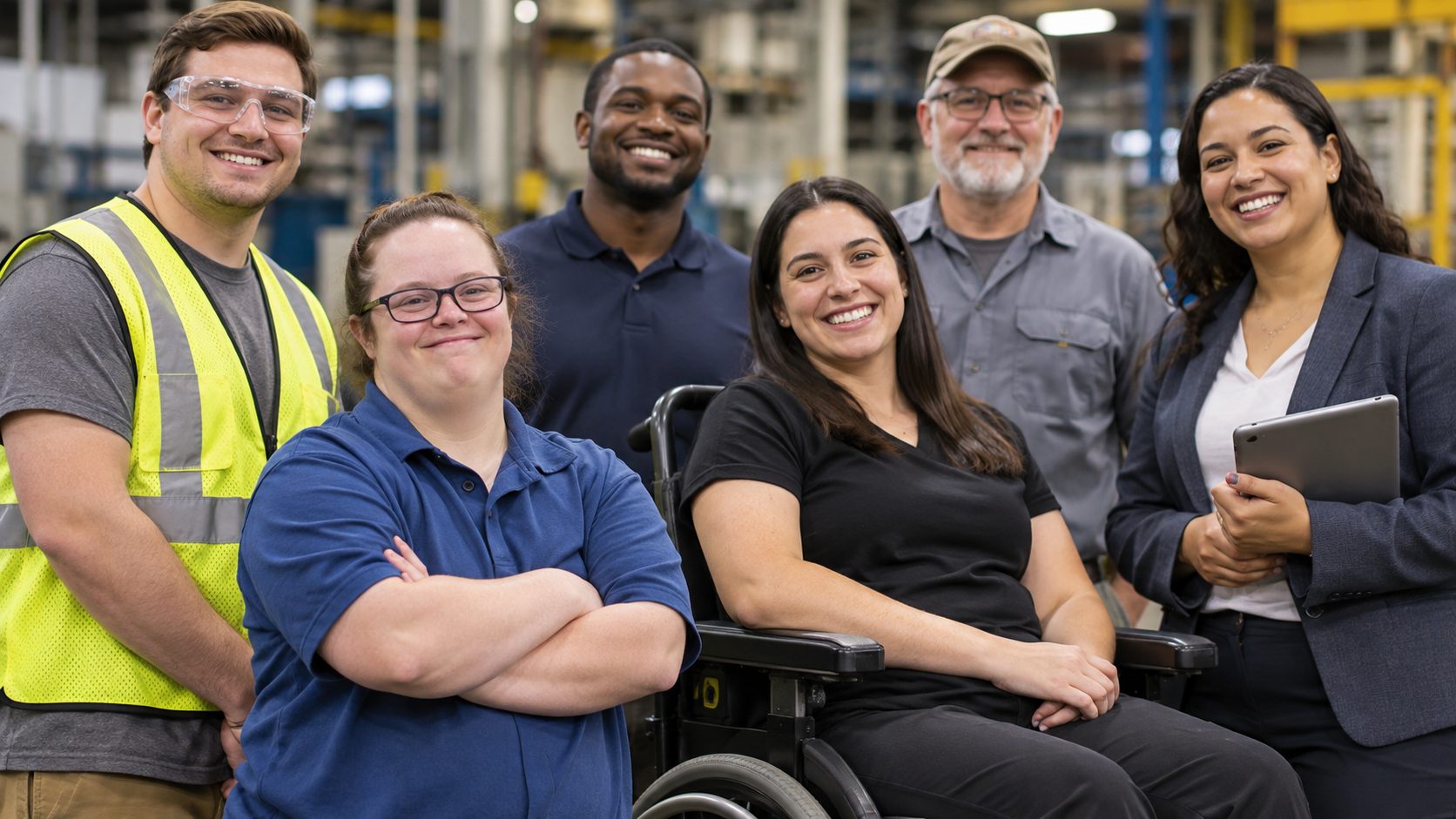
Beyond Awareness Month: 5 Ways Rush County Employers Can Build a More Inclusive Workforce
RUSHVILLE, IN — October 27, 2026 As National Disability Employment Awareness Month comes to a close, the conversation about recognizing talent and creating employment opportunities shouldn’t end with October.
For Rush County employers, inclusive hiring is more than an annual observance. It’s an opportunity to strengthen recruitment, retain valuable employees, and expand the local talent pipeline throughout the year.
But sometimes, employers overlook qualified candidates simply because their recruitment practices aren’t reaching everyone who could do the job.
October is National Disability Employment Awareness Month (NDEAM), an annual opportunity to recognize the contributions of workers with disabilities and consider how employers can make their workplaces more accessible.
The U.S. Department of Labor selected “Celebrating Value and Talent” as the theme for 2026, recognizing the skills and contributions Americans with disabilities bring to workplaces and communities across the country.
For Rush County businesses, the message is especially relevant: building a strong workforce means recognizing talent, reducing unnecessary employment barriers, and creating opportunities for qualified people to succeed.

U.S. Department of Labor
Disability Employment Is a Workforce Development Issue
When employers discuss workforce challenges, the conversation often centers on attracting applicants, developing technical skills, and retaining experienced workers.
Those priorities are important. So is making sure qualified individuals have a fair opportunity to demonstrate what they can contribute.
Disabilities can be physical, sensory, cognitive, or related to mental health. Some are immediately apparent, while others are not visible.
Individuals with disabilities work in virtually every industry, including manufacturing, healthcare, education, agriculture, professional services, and retail.
For employers, the objective is not to lower job expectations. It is to identify the essential skills and responsibilities of a position and ensure qualified applicants have an appropriate opportunity to demonstrate their abilities.
An accessible workplace can also help existing employees who acquire a disability or develop a health condition during their careers.
Five Practical Steps Employers Can Take
Building a workplace that recognizes talent doesn’t necessarily require creating a new program or making major investments.
Employers can begin by reviewing their existing practices.
1. Review Job Descriptions and Hiring Requirements
Start by looking at the qualifications listed in job postings.
Are all the requirements essential to performing the position?
For example, a position might list a particular educational credential or physical requirement even when the actual job duties could be performed successfully through other qualifications or appropriate accommodations.
Clearly identifying essential job functions helps employers evaluate applicants based on the work that needs to be accomplished.
2. Make the Application Process Accessible
Consider whether applicants can reasonably access and complete the hiring process.
This may include reviewing online applications, interview locations, communication methods, and procedures for requesting accommodations.
Employers should also make sure applicants know how to request assistance during the hiring process when needed.
A straightforward application process benefits both applicants and hiring teams.
3. Focus Interviews on Skills and Abilities
Interviews should help employers understand whether candidates can perform the essential responsibilities of a position.
Use consistent, job-related questions and provide candidates with an opportunity to describe their qualifications and experience.
Avoid making assumptions about someone’s abilities based on a disability.
Employers should also understand applicable requirements under the Americans with Disabilities Act and other employment laws when conducting interviews and evaluating candidates.
4. Understand Reasonable Accommodations
A reasonable accommodation is a workplace adjustment that enables a qualified individual with a disability to participate in the application process, perform essential job functions, or enjoy equal employment opportunities.
Depending on individual circumstances, accommodations might involve modified equipment, accessible communication, adjustments to work schedules, or changes to certain workplace procedures.
There is no single solution appropriate for every employee or position.
The Job Accommodation Network (JAN) provides free, confidential guidance to employers and employees about workplace accommodations and related employment issues.
JAN also offers practical tools and examples that employers can use when evaluating accommodation requests.
AskJAN
5. Connect With Employment Resources
Employers don’t have to navigate every question about disability employment independently.
The Employer Assistance and Resource Network on Disability (EARN) offers free resources to help businesses recruit, hire, retain, and advance employees with disabilities.
Its resources include guidance for small businesses, workplace accessibility, employee retention, and hiring practices.
Employers can use these materials to evaluate their existing procedures and identify improvements that fit their organizations.
askearn.org
Indiana Vocational Rehabilitation Offers Another Connection to Employment
Indiana’s Vocational Rehabilitation program helps eligible individuals with disabilities prepare for, obtain, maintain, or advance in employment.
Services may include career exploration, vocational counseling, training, employment assistance, and assistive technology, depending on individual eligibility and needs.
Vocational Rehabilitation counselors provide services throughout Indiana, including Rush County.
For residents whose disabilities create barriers to employment, the program may provide a pathway toward developing skills and pursuing career opportunities.
Individuals interested in services can begin through the state’s referral process or contact a Vocational Rehabilitation office.
Learn more through Indiana Vocational Rehabilitation Services.
Indiana Government
Why This Matters to Rush County
A strong local economy depends on connecting businesses with the people and skills they need.
That means supporting young people entering the workforce, adults seeking new opportunities, experienced employees changing careers, and individuals who may encounter additional barriers to employment.
For Rush County, workforce development is not simply about filling open positions.
It’s about helping employers recognize available talent and helping residents build meaningful, sustainable careers.
When employers review hiring practices, consider accessibility, and connect with workforce resources, they strengthen their ability to recruit and retain qualified employees.
These efforts can also support the long-term competitiveness of local businesses.
Turning Awareness Into Action
National Disability Employment Awareness Month provides an opportunity to recognize the contributions of workers with disabilities.
But the most meaningful progress happens when employers carry those lessons into everyday business practices.
This month, consider choosing one practical step: review a job posting, evaluate the accessibility of your application process, share accommodation resources with supervisors, or learn more about available employment services.
Small improvements can help create better opportunities for applicants, employees, and businesses.
Rush County Economic & Community Development Corporation remains committed to strengthening the connections among employers, job seekers, education partners, and workforce resources.
A stronger workforce begins with recognizing the value and talent people bring to the job.
For information about local workforce-development resources, contact Rush County ECDC or visit the Rush to Work Job Center at 306 N. Main Street in Rushville.