

Duke Energy Career Quest Connects Rush County Students With Employers and Colleges
RUSHVILLE, IN — October 20, 2026 — Career exploration became a hands-on experience for Rushville Consolidated High School students this week as the 2026 Duke Energy Career Quest culminated in the school’s College & Career Fair.
Through a partnership between Rush County Economic & Community Development Corporation (ECDC), Duke Energy, Rushville Consolidated High School, and participating employers and colleges, the two-phase initiative helped students prepare for meaningful conversations about their futures—and then put those skills into practice.
Phase One: Preparing Students for Success
On Friday, October 16, 165 RCHS juniors and seniors participated in the first phase of Duke Energy Career Quest, featuring guest speaker Savanna Fox.
Fox shared practical strategies to help students approach the upcoming College & Career Fair with confidence and purpose.
The preparation session emphasized the importance of asking thoughtful questions, making positive first impressions, exploring unfamiliar career pathways, and taking advantage of opportunities to connect directly with employers and college representatives.
Rather than simply collecting information from exhibitors, students were encouraged to engage in meaningful conversations that could help shape their education and career decisions.
Duke Energy sponsored the preparation session as part of its investment in strengthening Rush County’s future workforce.
Phase Two: Putting Career Readiness Into Action
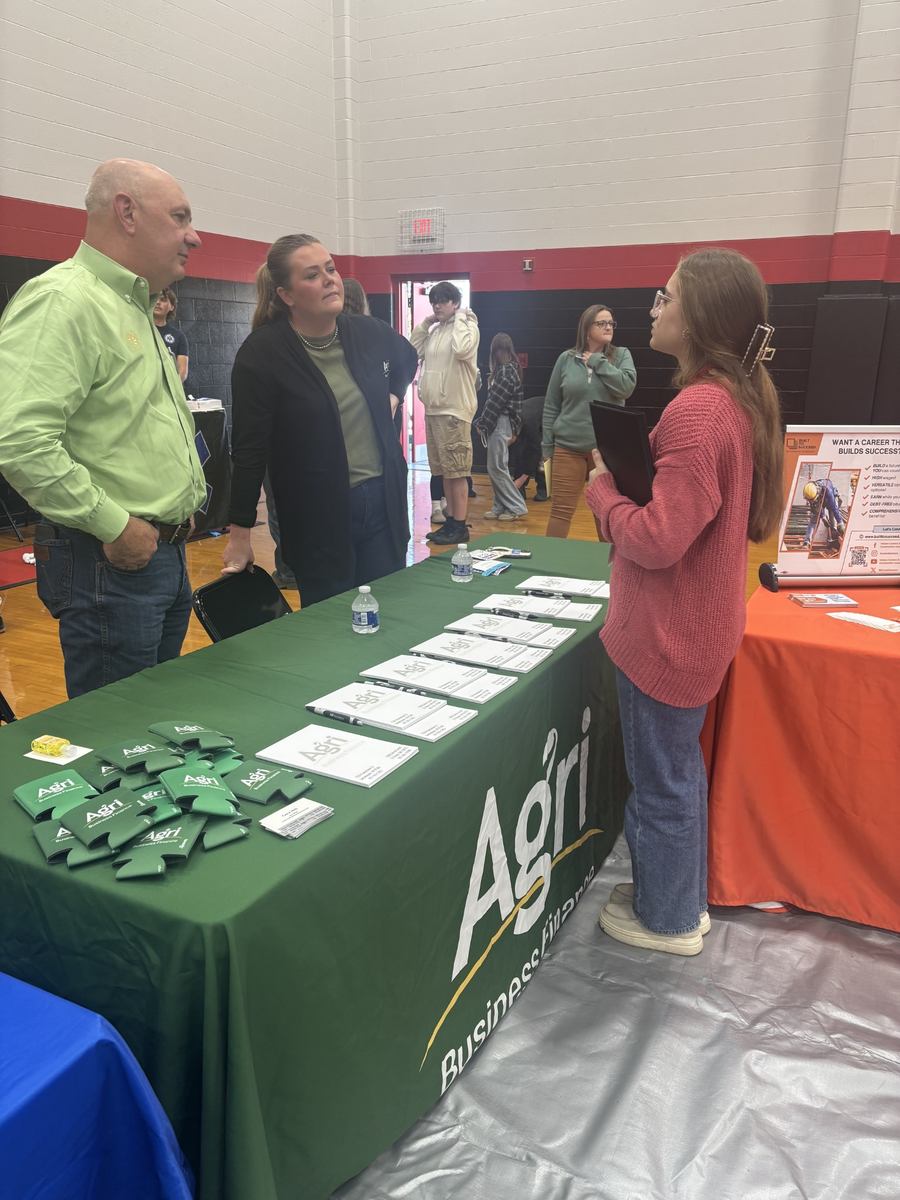
On Tuesday, October 20, students had the opportunity to put their preparation into practice during the 2026 RCHS College & Career Fair.
Approximately 40–50 employers, colleges, and other organizations participated, connecting students with opportunities in manufacturing, healthcare, agriculture, skilled trades, higher education, military service, and other career pathways.
Throughout the fair, students engaged with exhibitors, asked questions about career opportunities, explored educational and training requirements, and learned more about the possibilities available in Rush County and the surrounding region.
The event served as the second phase of Duke Energy Career Quest, bringing together the career-readiness skills introduced during Friday’s preparation session and the real-world opportunity to practice those skills with employers and college representatives.
Recognizing Students Who Made the Most of Their Opportunities
A highlight of the 2026 Duke Energy Career Quest was a student engagement contest designed to encourage meaningful conversations between students and exhibitors.
Employers and college representatives were invited to identify students who demonstrated exceptional engagement, curiosity, professionalism, and communication skills during the College & Career Fair.
Thanks to Duke Energy’s generous sponsorship, twelve students received $100 gift cards, totaling $1,200 in prizes, in recognition of their efforts.
Duke Energy also sponsored Friday’s career-readiness presentation by Savanna Fox and provided padfolios and lanyards for the student engagement contest.
Together, these investments helped create an experience that went beyond a traditional career fair—giving students preparation, opportunities to practice their skills, and recognition for actively exploring their futures.
Why These Connections Matter to Rush County
Events like Duke Energy Career Quest are an important part of building a stronger local talent pipeline.
Rush County employers depend on a skilled, prepared workforce to remain competitive and grow. At the same time, students benefit from understanding the range of opportunities available in their community and the education or training needed to pursue them.
Career exploration events help bridge that gap.
For some students, a conversation with an employer may introduce a career they had never considered. For others, meeting a college representative may help clarify the next steps toward a particular profession.
These connections also allow employers to introduce young people to their industries, explain workplace expectations, and build relationships with potential future employees.
By combining preparation with direct engagement, Duke Energy Career Quest helps students move beyond simply learning about careers to actively exploring their possibilities.
A Partnership Investing in the Future
Rush County ECDC extends its appreciation to Duke Energy for supporting both phases of Career Quest, including the student preparation session, engagement contest materials, and $1,200 in prizes.
We also thank Savanna Fox for helping students prepare, Rushville Consolidated High School for its partnership, and the many employers, colleges, and organizations that participated in the fair.
Most importantly, we recognize the students who took advantage of the opportunity to ask questions, explore career pathways, and make connections that may influence their futures.
When schools, employers, and community partners work together, we do more than prepare students for graduation. We help build the workforce and economic future of Rush County.