Archives 2026

Diverse group of employees, including workers with disabilities, smiling together in a manufacturing workplace, representing inclusive hiring and workforce opportunities.

Beyond Awareness Month: 5 Ways Rush County Employers Can Build a More Inclusive Workforce

RUSHVILLE, IN — October 27, 2026  As National Disability Employment Awareness Month comes to a close, the conversation about recognizing talent and creating employment opportunities shouldn’t end with October.

For Rush County employers, inclusive hiring is more than an annual observance. It’s an opportunity to strengthen recruitment, retain valuable employees, and expand the local talent pipeline throughout the year.

But sometimes, employers overlook qualified candidates simply because their recruitment practices aren’t reaching everyone who could do the job.

October is National Disability Employment Awareness Month (NDEAM), an annual opportunity to recognize the contributions of workers with disabilities and consider how employers can make their workplaces more accessible.

The U.S. Department of Labor selected “Celebrating Value and Talent” as the theme for 2026, recognizing the skills and contributions Americans with disabilities bring to workplaces and communities across the country.

For Rush County businesses, the message is especially relevant: building a strong workforce means recognizing talent, reducing unnecessary employment barriers, and creating opportunities for qualified people to succeed.

U.S. Department of Labor

Disability Employment Is a Workforce Development Issue

When employers discuss workforce challenges, the conversation often centers on attracting applicants, developing technical skills, and retaining experienced workers.

Those priorities are important. So is making sure qualified individuals have a fair opportunity to demonstrate what they can contribute.

Disabilities can be physical, sensory, cognitive, or related to mental health. Some are immediately apparent, while others are not visible.

Individuals with disabilities work in virtually every industry, including manufacturing, healthcare, education, agriculture, professional services, and retail.

For employers, the objective is not to lower job expectations. It is to identify the essential skills and responsibilities of a position and ensure qualified applicants have an appropriate opportunity to demonstrate their abilities.

An accessible workplace can also help existing employees who acquire a disability or develop a health condition during their careers.

Five Practical Steps Employers Can Take

Building a workplace that recognizes talent doesn’t necessarily require creating a new program or making major investments.

Employers can begin by reviewing their existing practices.

1. Review Job Descriptions and Hiring Requirements

Start by looking at the qualifications listed in job postings.

Are all the requirements essential to performing the position?

For example, a position might list a particular educational credential or physical requirement even when the actual job duties could be performed successfully through other qualifications or appropriate accommodations.

Clearly identifying essential job functions helps employers evaluate applicants based on the work that needs to be accomplished.

2. Make the Application Process Accessible

Consider whether applicants can reasonably access and complete the hiring process.

This may include reviewing online applications, interview locations, communication methods, and procedures for requesting accommodations.

Employers should also make sure applicants know how to request assistance during the hiring process when needed.

A straightforward application process benefits both applicants and hiring teams.

3. Focus Interviews on Skills and Abilities

Interviews should help employers understand whether candidates can perform the essential responsibilities of a position.

Use consistent, job-related questions and provide candidates with an opportunity to describe their qualifications and experience.

Avoid making assumptions about someone’s abilities based on a disability.

Employers should also understand applicable requirements under the Americans with Disabilities Act and other employment laws when conducting interviews and evaluating candidates.

4. Understand Reasonable Accommodations

A reasonable accommodation is a workplace adjustment that enables a qualified individual with a disability to participate in the application process, perform essential job functions, or enjoy equal employment opportunities.

Depending on individual circumstances, accommodations might involve modified equipment, accessible communication, adjustments to work schedules, or changes to certain workplace procedures.

There is no single solution appropriate for every employee or position.

The Job Accommodation Network (JAN) provides free, confidential guidance to employers and employees about workplace accommodations and related employment issues.

JAN also offers practical tools and examples that employers can use when evaluating accommodation requests.

AskJAN

5. Connect With Employment Resources

Employers don’t have to navigate every question about disability employment independently.

The Employer Assistance and Resource Network on Disability (EARN) offers free resources to help businesses recruit, hire, retain, and advance employees with disabilities.

Its resources include guidance for small businesses, workplace accessibility, employee retention, and hiring practices.

Employers can use these materials to evaluate their existing procedures and identify improvements that fit their organizations.

askearn.org

Indiana Vocational Rehabilitation Offers Another Connection to Employment

Indiana’s Vocational Rehabilitation program helps eligible individuals with disabilities prepare for, obtain, maintain, or advance in employment.

Services may include career exploration, vocational counseling, training, employment assistance, and assistive technology, depending on individual eligibility and needs.

Vocational Rehabilitation counselors provide services throughout Indiana, including Rush County.

For residents whose disabilities create barriers to employment, the program may provide a pathway toward developing skills and pursuing career opportunities.

Individuals interested in services can begin through the state’s referral process or contact a Vocational Rehabilitation office.

Learn more through Indiana Vocational Rehabilitation Services.

Indiana Government

Why This Matters to Rush County

A strong local economy depends on connecting businesses with the people and skills they need.

That means supporting young people entering the workforce, adults seeking new opportunities, experienced employees changing careers, and individuals who may encounter additional barriers to employment.

For Rush County, workforce development is not simply about filling open positions.

It’s about helping employers recognize available talent and helping residents build meaningful, sustainable careers.

When employers review hiring practices, consider accessibility, and connect with workforce resources, they strengthen their ability to recruit and retain qualified employees.

These efforts can also support the long-term competitiveness of local businesses.

Turning Awareness Into Action

National Disability Employment Awareness Month provides an opportunity to recognize the contributions of workers with disabilities.

But the most meaningful progress happens when employers carry those lessons into everyday business practices.

This month, consider choosing one practical step: review a job posting, evaluate the accessibility of your application process, share accommodation resources with supervisors, or learn more about available employment services.

Small improvements can help create better opportunities for applicants, employees, and businesses.

Rush County Economic & Community Development Corporation remains committed to strengthening the connections among employers, job seekers, education partners, and workforce resources.

A stronger workforce begins with recognizing the value and talent people bring to the job.

For information about local workforce-development resources, contact Rush County ECDC or visit the Rush to Work Job Center at 306 N. Main Street in Rushville.
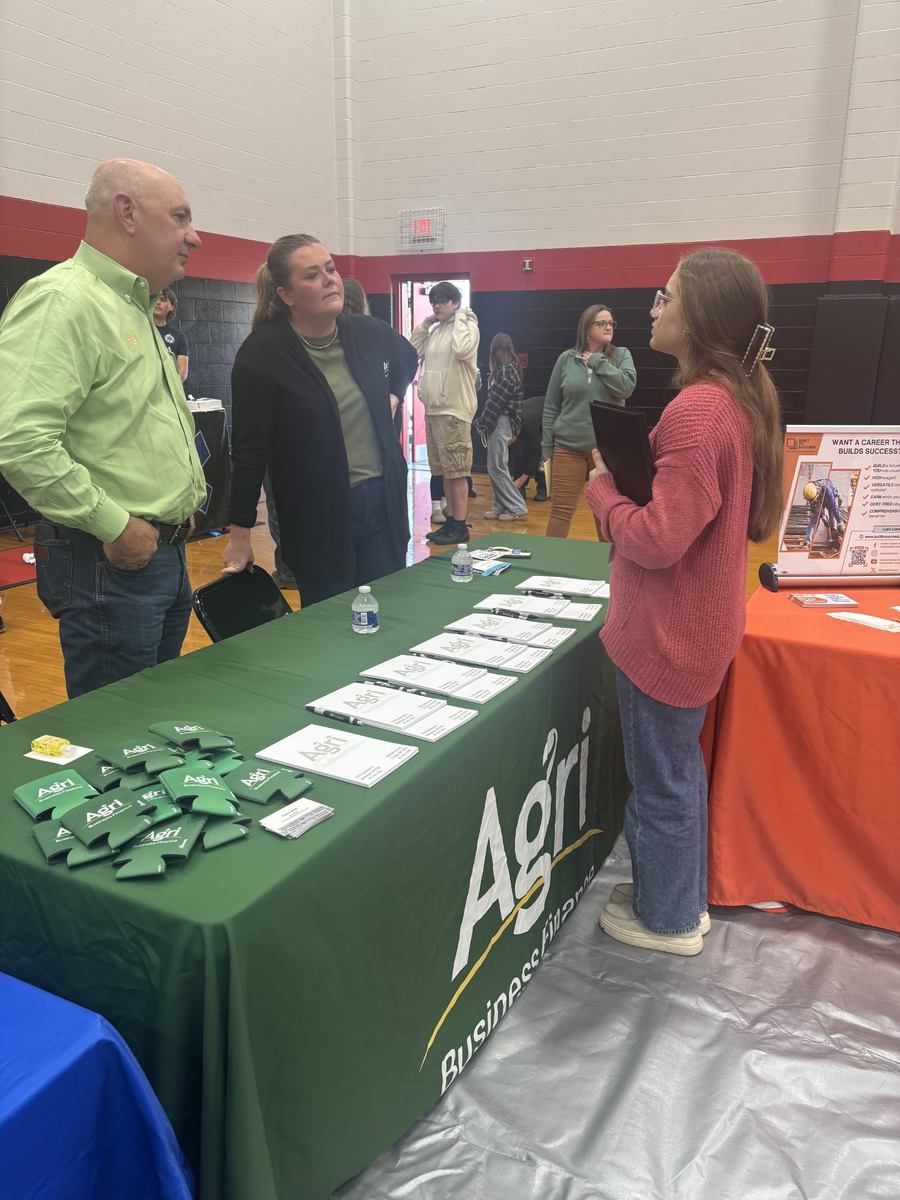
Duke Energy Career Quest Connects Rush County Students With Employers and Colleges

RUSHVILLE, IN — October 20, 2026 — Career exploration became a hands-on experience for Rushville Consolidated High School students this week as the 2026 Duke Energy Career Quest culminated in the school’s College & Career Fair.

Through a partnership between Rush County Economic & Community Development Corporation (ECDC), Duke Energy, Rushville Consolidated High School, and participating employers and colleges, the two-phase initiative helped students prepare for meaningful conversations about their futures—and then put those skills into practice.

Phase One: Preparing Students for Success

On Friday, October 16, 165 RCHS juniors and seniors participated in the first phase of Duke Energy Career Quest, featuring guest speaker Savanna Fox.

Fox shared practical strategies to help students approach the upcoming College & Career Fair with confidence and purpose.

The preparation session emphasized the importance of asking thoughtful questions, making positive first impressions, exploring unfamiliar career pathways, and taking advantage of opportunities to connect directly with employers and college representatives.

Rather than simply collecting information from exhibitors, students were encouraged to engage in meaningful conversations that could help shape their education and career decisions.

Duke Energy sponsored the preparation session as part of its investment in strengthening Rush County’s future workforce.

Phase Two: Putting Career Readiness Into Action

On Tuesday, October 20, students had the opportunity to put their preparation into practice during the 2026 RCHS College & Career Fair.

Approximately 40–50 employers, colleges, and other organizations participated, connecting students with opportunities in manufacturing, healthcare, agriculture, skilled trades, higher education, military service, and other career pathways.

Throughout the fair, students engaged with exhibitors, asked questions about career opportunities, explored educational and training requirements, and learned more about the possibilities available in Rush County and the surrounding region.

The event served as the second phase of Duke Energy Career Quest, bringing together the career-readiness skills introduced during Friday’s preparation session and the real-world opportunity to practice those skills with employers and college representatives.

Recognizing Students Who Made the Most of Their Opportunities

A highlight of the 2026 Duke Energy Career Quest was a student engagement contest designed to encourage meaningful conversations between students and exhibitors.

Employers and college representatives were invited to identify students who demonstrated exceptional engagement, curiosity, professionalism, and communication skills during the College & Career Fair.

Thanks to Duke Energy’s generous sponsorship, twelve students received $100 gift cards, totaling $1,200 in prizes, in recognition of their efforts.

Duke Energy also sponsored Friday’s career-readiness presentation by Savanna Fox and provided padfolios and lanyards for the student engagement contest.

Together, these investments helped create an experience that went beyond a traditional career fair—giving students preparation, opportunities to practice their skills, and recognition for actively exploring their futures.

Why These Connections Matter to Rush County

Events like Duke Energy Career Quest are an important part of building a stronger local talent pipeline.

Rush County employers depend on a skilled, prepared workforce to remain competitive and grow. At the same time, students benefit from understanding the range of opportunities available in their community and the education or training needed to pursue them.

Career exploration events help bridge that gap.

For some students, a conversation with an employer may introduce a career they had never considered. For others, meeting a college representative may help clarify the next steps toward a particular profession.

These connections also allow employers to introduce young people to their industries, explain workplace expectations, and build relationships with potential future employees.

By combining preparation with direct engagement, Duke Energy Career Quest helps students move beyond simply learning about careers to actively exploring their possibilities.

A Partnership Investing in the Future

Rush County ECDC extends its appreciation to Duke Energy for supporting both phases of Career Quest, including the student preparation session, engagement contest materials, and $1,200 in prizes.

We also thank Savanna Fox for helping students prepare, Rushville Consolidated High School for its partnership, and the many employers, colleges, and organizations that participated in the fair.

Most importantly, we recognize the students who took advantage of the opportunity to ask questions, explore career pathways, and make connections that may influence their futures.

When schools, employers, and community partners work together, we do more than prepare students for graduation. We help build the workforce and economic future of Rush County.

Rush County students touring a local manufacturing facility during Manufacturing Day

Indiana Work-Based Learning: New Resources Help Rush County Employers Build Their Future Workforce

RUSHVILLE, IN — Building a strong workforce doesn’t begin when a company posts a job opening. It begins much earlier, when students have opportunities to explore careers, develop workplace skills and understand the opportunities available in their communities.

For Rush County employers, a new statewide resource may make those connections easier.

On October 6, 2026, Indiana announced the launch of a Work-Based Learning Digital Resource Hub, developed through a partnership between the Indiana Department of Education, Indiana Commission for Higher Education and Ascend Indiana.

The resource provides practical guidance to help employers, educators and workforce partners develop meaningful work-based learning experiences for students.

As Rush County continues strengthening connections between local businesses and education, these tools offer another opportunity to help prepare the next generation of workers.

What Is Work-Based Learning?

Work-based learning connects classroom education with real-world workplace experiences.

Depending on the program, students may participate in internships, structured workplace projects, cooperative education, apprenticeships or other experiences that help them develop career-related knowledge and skills.

These opportunities allow students to better understand what different occupations involve while giving employers a chance to introduce young people to their industries.

For example, a student interested in manufacturing might benefit from working alongside experienced technicians, learning about quality-control procedures or completing a supervised technical project.

A student interested in business could gain experience with customer service, marketing, accounting or day-to-day business operations.

Healthcare, agriculture, construction, transportation and professional services also offer opportunities for students to connect their education with workplace expectations.

The goal is to provide experiences that are meaningful for students and valuable for employers.

Why Indiana Is Expanding Work-Based Learning

Indiana’s updated high school diploma places greater emphasis on preparing students for life after graduation.

Students have opportunities to pursue readiness seals aligned with their future goals, including continued education, employment and military service.

Work-based learning is an important component of that preparation.

Rather than relying entirely on classroom instruction, students can demonstrate their skills and gain practical experience connected to potential careers.

For employers, this creates an opportunity to become more directly involved in workforce preparation.

Instead of waiting until young people graduate to introduce them to an industry, businesses can help students understand career opportunities and develop relevant skills while they are still in school.

That approach can be especially valuable in smaller communities where employers and schools have opportunities to develop lasting relationships.

What Does the New Resource Hub Offer Employers?

One of the challenges businesses face when considering student internships or work-based learning programs is knowing where to begin.

Employers may have questions about supervision, training plans, student responsibilities, program requirements and how to coordinate with schools.

Indiana’s new Work-Based Learning Digital Resource Hub was developed to help address those questions.

Available resources include an employer readiness assessment, guidance on different types of work-based learning experiences, program-design tools and information about the responsibilities of participating organizations.

The hub also includes a Work-Based Learning Training Plan and Partnership Agreement Template.

For qualifying experiences under Indiana’s updated diploma requirements, schools must maintain a training plan and partnership agreement documenting the student’s learning experience.

These resources help schools and employers establish expectations, identify skills to be developed and determine how student progress will be evaluated.

Businesses interested in learning more can explore the Ascend Indiana Work-Based Learning Resources.

Five Ways Rush County Employers Can Get Started

Employers don’t necessarily need to develop a large apprenticeship program to begin exploring how they can support career-connected learning.

A smaller, carefully planned opportunity may be an appropriate starting point.

1. Identify Careers Students Should Know About

Consider the positions within your business that students may not realize exist.

A manufacturing facility, for example, may employ people in engineering, maintenance, purchasing, logistics, human resources and information technology.

Introducing students to those opportunities can broaden their understanding of an industry.

2. Identify Skills Your Business Needs

Think about the technical and professional skills that help employees succeed.

Communication, problem-solving, reliability, teamwork and attention to detail are valuable across many occupations.

Businesses can help students understand how those skills are used in actual workplaces.

3. Determine What Type of Experience Fits Your Organization

Some businesses may be interested in offering structured internships.

Others may be better positioned to support a classroom project, workplace simulation or another school-coordinated experience.

The new resource hub explains the different models recognized by Indiana and provides guidance to help employers determine which options may be appropriate.

Not every career-exploration activity qualifies as formal work-based learning under Indiana’s graduation requirements. Schools and employers should review applicable program standards before establishing an experience.

4. Connect With Education and Workforce Partners

Employers don’t have to navigate the process alone.

Indiana has established a network of regional intermediaries to help connect businesses and schools.

These organizations can provide guidance on developing programs, identifying partners and coordinating work-based learning opportunities.

Businesses can use Ascend Indiana’s Intermediary Directory to identify organizations serving Rush County.

5. Start With a Clear Plan

A successful work-based learning experience should have a defined purpose.

Employers and schools should understand what students will learn, who will provide supervision and how progress will be measured.

Safety, age-appropriate duties, scheduling and applicable employment requirements must also be considered.

Starting with clear expectations helps create a better experience for everyone involved.

Connecting Today’s Students With Tomorrow’s Careers

Rush County’s workforce-development efforts already include opportunities for students to interact with local employers.

Manufacturing Day, career exploration activities and the Rushville Consolidated High School College & Career Fair help introduce students to industries, occupations and educational pathways.

These activities are valuable because they create awareness.

But career exploration can also serve as the beginning of a longer relationship between students and employers.

A student who discovers an interest in manufacturing during a facility tour might later pursue technical education or a structured workplace learning experience.

Someone introduced to healthcare careers at a career fair may begin researching the certifications or degrees required for a particular occupation.

Those connections can help students make more informed decisions about their futures.

They also help businesses become more visible to the people who may eventually join their workforce.

Building a Stronger Rush County Talent Pipeline

For Rush County, workforce development is about more than filling today’s vacancies.

It is about helping local employers develop access to skilled workers while giving residents opportunities to build successful careers.

That requires continued collaboration among businesses, educators, workforce organizations and community partners.

Rush County Economic & Community Development Corporation remains committed to strengthening those connections and helping local businesses understand the workforce resources available to them.

Indiana’s new Work-Based Learning Digital Resource Hub provides another tool to support that effort.

Employers interested in exploring opportunities can begin by reviewing the statewide resources, identifying potential experiences within their organizations and connecting with education and workforce partners.

The businesses that invest in developing future talent today can help build a stronger Rush County workforce for tomorrow.

To explore the new resources, visit Ascend Indiana’s Work-Based Learning Resource Hub.

For information about local workforce-development partnerships, contact Rush County ECDC.

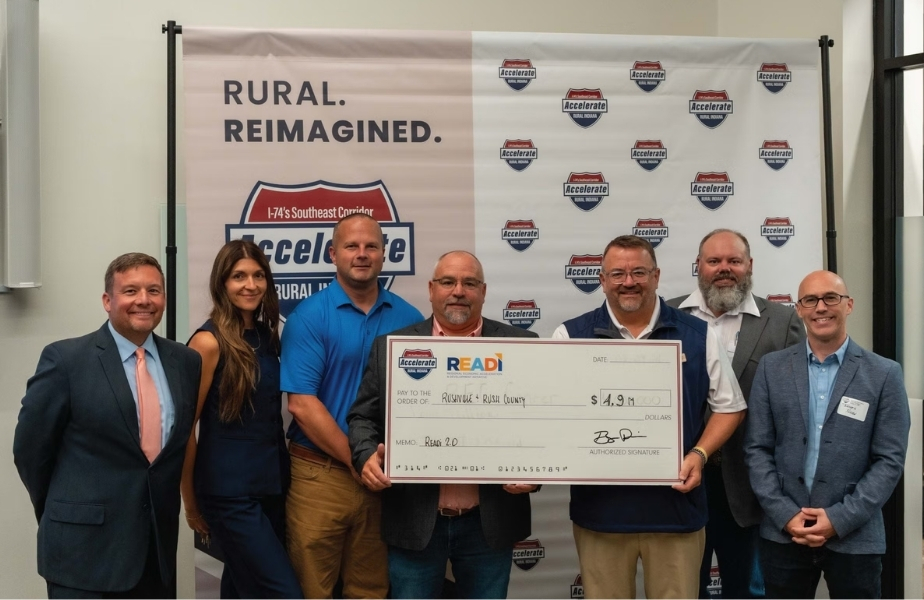
Rushville and Rush County representatives display a ceremonial $4.9 million READI 2.0 funding check at the Accelerate Rural Indiana event.

Rush County READI Investment: $4.9M Allocated

Rushville and Rush County projects receive $4.9 million in READI 2.0 allocations as Accelerate Rural Indiana celebrates regional progress.

The Rush County READI investment represents another important step in strengthening our community’s economic future. Through the Accelerate Rural Indiana regional partnership, Rushville and Rush County have been allocated $4.9 million in READI 2.0 funding for six local projects.

Economic development in Rush County doesn’t happen in isolation. Our community’s future is connected to the strength of neighboring counties, the availability of housing, the development of local businesses and the infrastructure needed to support future investment.

That regional approach reached an important milestone on October 1, 2026, when Accelerate Rural Indiana (ARI) gathered community and economic-development leaders at the Love Community Center in Rushville for its State of the Region celebration.

The organization announced that all $20 million of its original READI 1.0 award has now been disbursed to projects, ahead of Indiana’s year-end 2026 deadline.

Meanwhile, the region is advancing another $30 million in READI 2.0 funding, bringing its combined state READI awards to $50 million. WRBI Radio

What the Rush County READI Investment Means for Our Community

Rushville and Rush County are part of the Accelerate Rural Indiana partnership, which also includes Greensburg and Decatur County, Shelbyville and Shelby County, and Batesville.

The partnership works across community boundaries to pursue investments that support economic opportunity, workforce attraction and quality of life.

During the October 1 event, ARI presented ceremonial READI 2.0 funding checks representing 22 projects across its participating communities.

Rushville and Rush County’s allocation includes $4.9 million for six projects. WRBI Radio

These investments are part of a broader strategy to strengthen the region’s ability to attract businesses, support residents and prepare for future growth.

Investing in More Than Buildings

READI stands for Regional Economic Acceleration and Development Initiative.

The program supports locally developed strategies intended to strengthen Indiana communities through economic development, housing, infrastructure and quality-of-place improvements.

For Rush County, these investments matter because economic development requires more than having a site available for a new business.

Employers also need workers.

Workers need housing and community amenities.

Entrepreneurs need opportunities to establish and grow businesses.

And communities need infrastructure that can accommodate future investment.

When those pieces come together, they create a stronger foundation for long-term economic growth.

Rushville’s Love Community Center Demonstrates the Regional Approach

The location of this year’s State of the Region event was especially meaningful.

Rushville’s Love Community Center received $4 million in READI 1.0 funding and brings several community services together in one location.

The facility includes the Rushville Public Library, an early learning facility, a senior center, recreation facilities, a food pantry and social-service offices. WRBI Radio

It’s an example of how economic-development investments can support residents while helping create the type of community where people want to live and work.

The center also demonstrates why quality-of-place investments belong in conversations about workforce and business growth.

What’s Next for Regional Investment?

With READI 1.0 funding fully disbursed, Accelerate Rural Indiana is moving forward with READI 2.0.

According to the organization’s October announcement, all READI 2.0 projects have received formal approval from the Indiana Economic Development Corporation.

The region is also approaching 65% disbursement of its READI 2.0 funding, ahead of the program’s 2028 deadline. WRBI Radio

The regional project portfolio includes housing development, business and innovation facilities, infrastructure improvements and community assets.

Among the projects identified in Rushville are the Rushville Launch Center and additional housing initiatives.

These projects represent different pieces of the same economic-development strategy: preparing communities for business investment while creating opportunities for residents. Accelerate Rural Indiana

Understanding the Projected Economic Impact

Accelerate Rural Indiana has identified substantial potential economic benefits from its READI investments.

For READI 1.0, the organization forecasts more than $485 million in combined investment, including over $408 million in private investment and more than $34 million in local matching funds.

The region also projects more than 270 jobs, 600 housing units and 260 childcare seats associated with its READI 1.0 portfolio.

These figures are regional projections, not completed outcomes or Rush County-only totals.

ARI expects actual outcome data to be collected and reported in March 2027. GIANT fm

That distinction matters because the true measure of economic development is not simply the amount of funding awarded.

It is the lasting impact those investments produce.

How the Rush County READI Investment Supports Regional Growth

For rural communities, regional collaboration can create opportunities that would be difficult to pursue independently.

A stronger regional economy benefits employers, workers and families throughout the area.

Rush County’s participation in Accelerate Rural Indiana is part of that broader effort to strengthen economic opportunity, encourage investment and improve quality of place.

As READI 2.0 projects advance, the focus will increasingly shift from funding commitments to implementation and measurable results.

Rush County ECDC remains committed to supporting economic and community development efforts that position Rush County for long-term success.

To learn more about the regional initiative and its project portfolio, visit Accelerate Rural Indiana.

Learn more about Rush County ECDC’s ongoing economic and community development efforts by exploring our economic development resources.

Entrepreneur learning how to test a business idea before investing

Before You Spend the Money: 6 Ways to Test a Business Idea

Before you spend serious money on a new venture, it makes sense to test a business idea first. Having a business idea is exciting. Spending thousands of dollars before you know whether customers actually want what you’re selling is much less exciting.

One of the smartest things an aspiring entrepreneur can do is test a business idea before making major investments in equipment, inventory, a building, branding or other startup costs.

That doesn’t mean you have to prove that your idea will succeed before starting.

You can’t.

It means gathering enough information to make your next decision with something more useful than a guess.

1. Be Able to Explain What You’re Selling

Start with a deceptively simple question:

What problem does my business solve—or what does it provide that someone is willing to pay for?

Try explaining your business in one or two sentences without industry terminology.

Instead of:

“I want to start a bakery.”

Go further:

“I want to sell custom cakes and desserts for birthdays, weddings and special events to customers in and around Rush County.”

Now you have something you can begin testing.

Who buys it? How often? What alternatives already exist? What matters most to those customers—price, convenience, customization, quality or something else?

Clarity comes before a business plan.

2. How to Test a Business Idea With Potential Customers

Friends and family can be encouraging. However, they aren’t always good market research.

“That’s a great idea!” is very different from:

“Yes, I would pay $45 for that.”

Talk with people who could realistically become customers.

Ask what they currently buy, where they buy it, what they pay, what frustrates them and what would make them consider something different.

The goal isn’t to convince them your idea is good.

The goal is to listen.

Sometimes the most valuable information an entrepreneur receives is something they weren’t hoping to hear.

3. Know What It Really Costs

Pricing a product or service requires more than looking at what competitors charge.

Consider the actual cost of delivering what you’re selling.

Depending on the business, that can include materials, packaging, payment-processing fees, shipping, insurance, fuel, equipment, software, professional services, rent and—something new entrepreneurs frequently underestimate—your time.

If something costs $30 to produce and customers will only pay $25 for it, selling more of it doesn’t fix the underlying problem.

You don’t need perfect numbers on day one.

You do need realistic ones.

4. Look at the Competition

Importantly, competition isn’t necessarily evidence that your idea won’t work.

In fact, existing competitors can demonstrate that people already spend money on what you’re considering selling.

Study them.

What do they offer?

What do customers seem to value?

How are they priced?

Where do they sell?

What appears to be missing?

Then ask a harder question:

Why would someone choose my business?

“Because mine will be better” isn’t enough.

You should be able to identify something meaningful to the customer—service, convenience, expertise, location, selection, experience, customization, price or another genuine difference.

5. Test a Business Idea on a Small Scale

There are many inexpensive ways to test a business idea before making a major investment.

Someone considering a product-based business may be able to test a small product line before buying large amounts of inventory.

A service business might begin with a limited group of customers.

A food entrepreneur may have opportunities to test products through appropriate markets or events, subject to applicable health and licensing requirements.

A future storefront business may be able to validate customer demand before signing a lease.

The objective is not to stay small forever.

It’s to learn while the cost of changing direction is still relatively low.

6. Decide What the Next Decision Actually Is

Finally, you do not need to answer every question about a future business today.

You need enough information to answer the next one.

Should I keep researching?

Should I test my product?

Do I need to change my pricing?

Should I speak with a banker?

Is it time to formally organize the business?

Do I need professional advice about taxes, insurance, licensing or regulations?

Breaking entrepreneurship into decisions makes the process much more manageable.

Rush County Entrepreneurs Don’t Have to Figure It Out Alone

This is exactly the kind of early-stage thinking behind the Regional Entrepreneurial Pipeline, or REaP.

The free eight-session program serving Rush, Fayette and Henry counties began October 1, 2026 and covers business readiness, customers, pricing, sales, marketing, banking and financing, understanding business numbers, business formation and next-step resources. Virtual participation is also available when participants cannot attend a session in person. Rush ECDC

REaP isn’t designed around the assumption that everyone who has a business idea should immediately start a company.

Should I keep researching?
Is it time to test my product?
Would changing my pricing make sense?

Sometimes the right next step is moving forward. Sometimes it’s changing the idea. Sometimes it’s learning more.

All three can be progress.

If you have a business idea, side hustle, home-based business or early-stage company, Rush County ECDC can help connect you with resources and people who can help you make more informed decisions.

Learn about the Regional Entrepreneurial Pipeline (REaP)

Entrepreneurs can also explore business planning and startup resources through the Indiana Small Business Development Center (Indiana SBDC)

Employee development in Rush County through on-the-job training

Your Next Great Hire May Already Work for You: Building Talent From Within

Your Next Great Hire May Already Work for You: Building Talent From Within

Employee development in Rush County can be just as important as recruiting new workers. When employers need additional skills, supervisors or people prepared to take on more responsibility, the first place to look may be inside their own organization.

Hiring will always be an important part of workforce development. But employers also have another valuable workforce strategy: developing the people they already have.

That can mean helping an entry-level employee gain new technical skills, preparing an experienced worker for a leadership role, creating clearer career pathways or giving employees opportunities to advance as the needs of the business change.

For employers, that isn’t simply training.

It’s workforce development.

Why Employee Development in Rush County Matters

Every employee who gains a new skill adds capacity to an organization.

Developing current employees can help businesses build the skills they need while creating opportunities for workers to advance without leaving the company—or the community—to find their next opportunity.

It can also help employers think differently about workforce shortages.

Instead of asking only, “Where can we find someone who already has every skill we need?”, another useful question is:

“Who do we already have that could grow into this role?”

Sometimes the strongest candidate for tomorrow’s opening is already on today’s payroll.

Career Pathways Don’t Have to Be Complicated

Creating opportunities for advancement doesn’t necessarily require a large formal program.

Employers can begin by looking at positions that are difficult to fill or skills that are becoming increasingly important.

Consider questions such as:

  • Which positions are hardest for us to recruit?
  • Which employees have demonstrated the ability to take on more responsibility?
  • What skills would someone need to move from an entry-level position into a more advanced role?
  • Are experienced employees approaching retirement who hold knowledge that needs to be transferred?
  • Could training help an existing employee fill a future need?

Those conversations can turn workforce planning from a reaction to a vacancy into preparation for one.

Indiana Is Encouraging Employers to Grow Their Own Talent

Indiana is also placing increased emphasis on developing workers who are already employed.

The Indiana Department of Workforce Development’s Power Up Indiana initiative encourages employers to build employee skills and career pathways and includes an employer incentive component. DWD describes the initiative as a way for businesses to develop existing talent while supporting wage growth and advancement.

Employers interested in the program should review current requirements directly with DWD before making training or financial decisions, because eligibility and reimbursement requirements apply.

Learn about Power Up Indiana through Indiana DWD

Power Up Indiana isn’t the only workforce resource available to employers. Depending on the business, employee and type of training involved, other state or workforce programs may also be worth exploring.

Start With the Workforce Need

The most useful starting point isn’t necessarily asking, “What grant can I get?”

Start with the business problem.

Maybe you need more skilled operators.

Maybe you’re having difficulty developing frontline supervisors.

Maybe technology is changing the skills required for a position.

Maybe you have a strong employee who is ready for more responsibility but needs additional training.

Once the need is clear, ECDC and workforce partners can help determine whether there are resources or connections worth exploring.

Employee Development in Rush County Starts From Within

Recruitment gets a lot of attention because vacancies are easy to see.

Employee development can be less visible, but it is an important part of building a resilient workforce.

A worker who sees an opportunity to learn, advance and build a career has a reason to imagine a future with that employer.

A business that continually develops its people builds skills it can draw on as needs change.

And when Rush County businesses and workers grow together, the entire community benefits.

Is your business thinking about training, advancement, succession planning or another workforce challenge?

Rush County ECDC can help you identify workforce resources and connect with the appropriate partners. Start by telling us what your business is trying to accomplish.

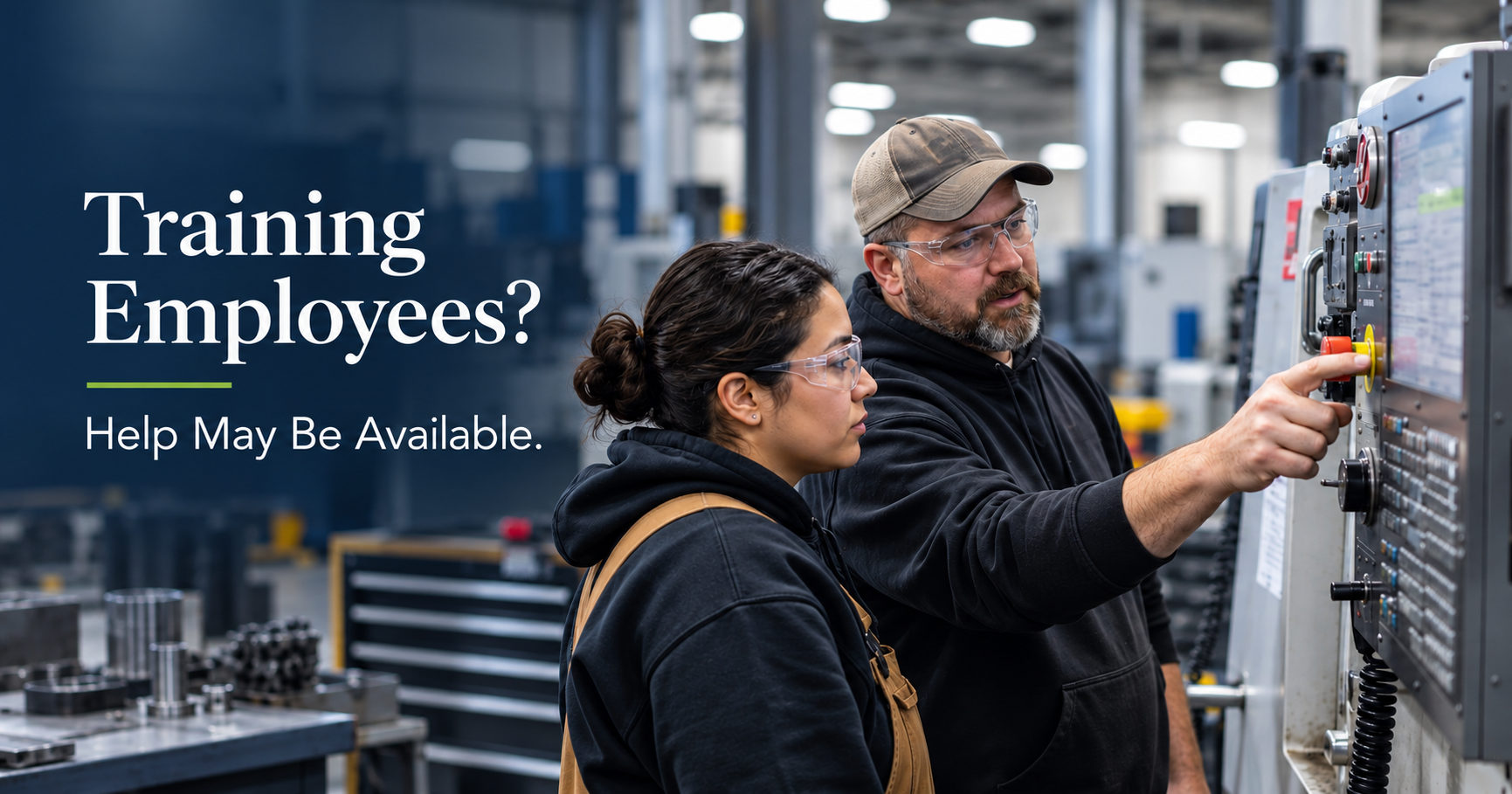
Employee receiving manufacturing training for the Indiana Employer Training Grant

Could Your Business Get Help Paying to Train Employees? Indiana Employers Have an Option

The Indiana Employer Training Grant may help qualifying businesses offset the cost of training new or current employees.

Training employees costs money. Whether a business is teaching a new hire the skills needed for a position or helping an existing employee advance into a more skilled role, that investment can add up quickly.

Indiana employers may have a resource available to help offset some of those costs.

The Employer Training Grant, administered by the Indiana Department of Workforce Development, reimburses qualifying Indiana employers for eligible occupational-skills training for new or current employees working in high-demand positions.

For Rush County employers planning to strengthen their workforce, it’s a program worth knowing about.

How the Indiana Employer Training Grant Can Help

According to current Indiana DWD guidance, participating employers can receive up to $50,000 in reimbursements.

Eligible employers may receive reimbursement of up to $5,000 per newly trained employee, subject to program requirements. Workers must be trained, hired and retained for at least six months, and the training must meet the state’s eligibility standards.

This isn’t simply reimbursement for routine orientation or informal job shadowing.

The training must build occupational skills connected to an eligible, in-demand occupation.

What Types of Businesses May Qualify?

The Employer Training Grant currently supports training associated with six priority sectors:

  • Advanced Manufacturing
  • Agriculture
  • Building & Construction
  • Health & Life Sciences
  • IT & Business Services
  • Transportation & Logistics

Indiana-based employers of any size are encouraged to apply, although the proposed training and occupations must satisfy the program’s requirements.

That makes the program particularly relevant in a community like Rush County, where several of these sectors are important parts of the local and regional economy.

What Kind of Training Counts?

This is where employers should pay close attention.

Eligible training must meet Indiana Department of Workforce Development requirements and be connected to qualifying occupational skills and eligible positions. Routine onboarding, general human-resources training and informal job shadowing may not qualify.

Additional eligibility requirements apply, including requirements related to the employees being trained, wages, training duration and retention. Because program requirements can change, employers should confirm current requirements with the Indiana Department of Workforce Development before beginning training or making financial decisions based on anticipated reimbursement.

The best first step is to discuss the proposed training before it begins. That allows an employer to determine whether the business, employees and planned training meet current program requirements.

Why Employer Training Matters in Rush County

Workforce development isn’t only about finding someone to fill an open position.

Sometimes the person an employer needs is already on the payroll—or a strong candidate can become the right employee with additional training.

Developing workers internally can help employers build skills that match their specific operations while creating advancement opportunities for employees.

Indiana’s Employer Training Grant is designed around that concept: helping businesses grow their own talent.

For employers struggling to find workers with every skill they need on day one, that approach can open another option.

Instead of asking only:

“Where do we find someone who already has these skills?”

it may also be worth asking:

“Can we develop those skills in someone we already have—or someone we’re willing to hire?”

Indiana Employer Training Grant: What Employers Should Know

One important point: employers shouldn’t complete training and assume they can request reimbursement afterward.

DWD’s process requires employers to submit information about their proposed training and work with the program before reimbursement. The state describes the process in three basic steps: apply, establish the training program, and then seek reimbursement after program requirements are met.

If your Rush County business is considering hiring, upskilling employees or developing workers for harder-to-fill positions, investigate the program before the training begins.

Indiana DWD Employer Training Grant information

Rush County employers can also contact the Rush to Work Job Center/WorkOne in Rushville to discuss workforce needs and available employer resources.

Workforce development works best when businesses don’t have to navigate every resource alone.

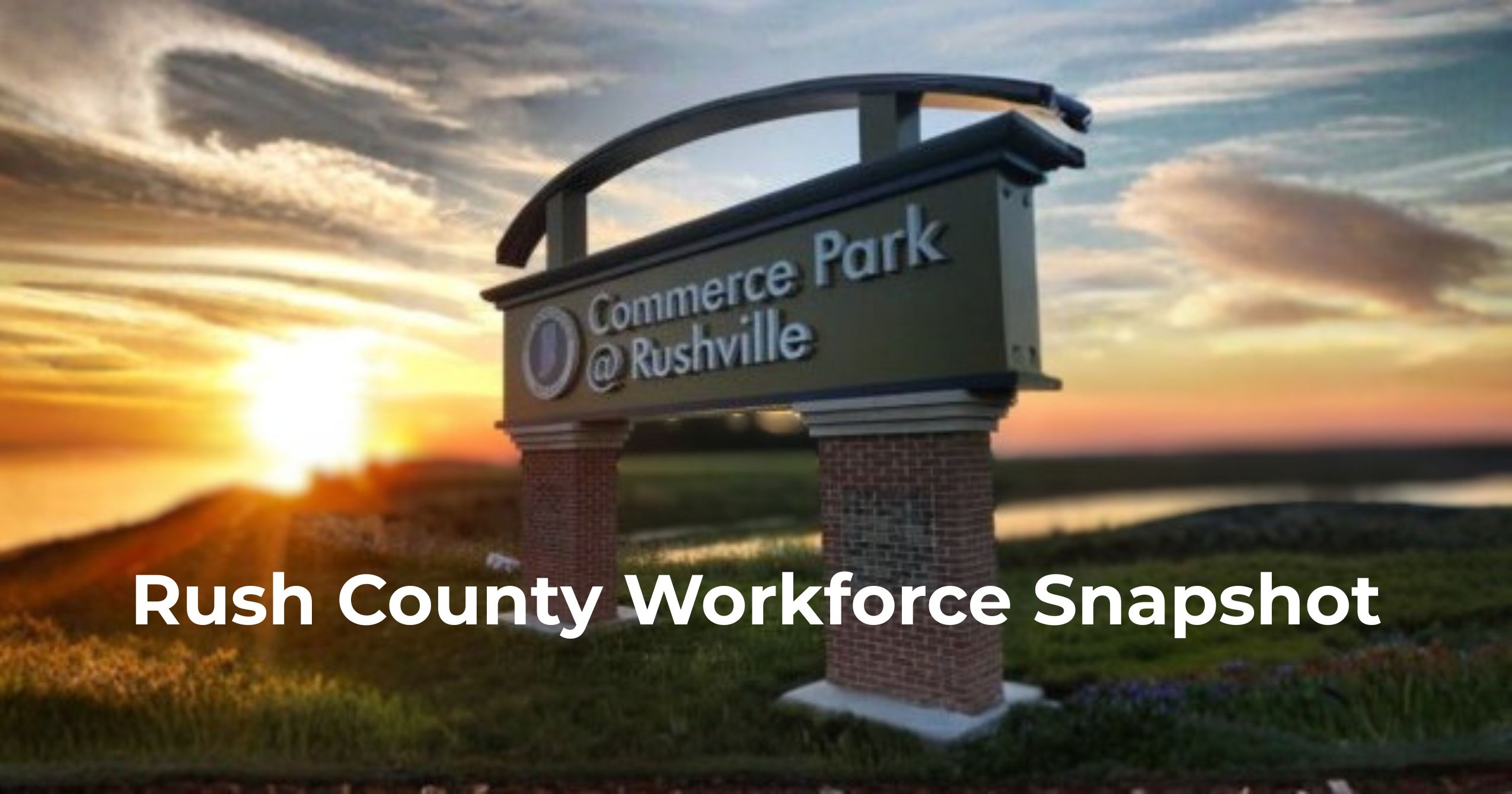
Rush County workforce and economic development

What the Latest Workforce Data Tells Us About Rush County

The latest Rush County workforce data provides a new snapshot of local employment, wages and the businesses that employ our workforce.

According to data released September 4 by the U.S. Bureau of Labor Statistics, Rush County had 428 covered establishments and 4,972 covered jobs in March 2026. The county’s average weekly wage during the first quarter of 2026 was $1,016.

Those numbers are more than statistics. They help provide context for the economic and workforce development work happening throughout Rush County.

Understanding Rush County Workforce Data

The Bureau of Labor Statistics figures come from the Quarterly Census of Employment and Wages, commonly called QCEW.

The data includes workers covered by state unemployment insurance programs and federal workers covered by the Unemployment Compensation for Federal Employees program. Because of that definition, these numbers should not be interpreted as every person who works or every business operating in Rush County.

Instead, they provide a consistent way to examine employment and wages across communities.

What Rush County Workforce Data Tells Us

Rush County workforce data becomes more useful when we put the numbers into context. Rush County’s first-quarter average weekly wage of $1,016 compares with an Indiana average of $1,356. Statewide, Indiana had approximately 3.16 million covered jobs in March 2026, while the state’s average weekly wage increased 2.7% from the first quarter of 2025.

Rush County is one of Indiana’s smaller employment markets, which makes the strength and competitiveness of individual employers particularly important to the local economy.

For economic development, the goal isn’t simply to increase one number.

A healthy local economy requires businesses that can compete, workers who can build successful careers, a pipeline of future talent, and a community that can attract and retain both employers and residents.

Why Workforce Development Matters

Workforce data also reinforces why economic development and workforce development cannot operate separately.

When an existing employer wants to expand, workforce availability matters.

When a company considers Rush County for a new investment, access to talent matters.

When students make decisions about education and careers, knowing what opportunities exist locally matters.

And when residents are looking for better employment opportunities, connections to employers, training and career resources matter.

That is why Rush County ECDC works across several parts of the talent pipeline—from helping employers address current workforce needs to connecting residents with employment resources and helping students gain exposure to local careers.

Building for the Future

Rush County workforce data from a single quarter doesn’t tell the entire story of our local economy, and preliminary federal data can be revised.

What it does give us is another useful benchmark.

As Rush County works to attract investment, support existing businesses and strengthen its talent pipeline, tracking employment and wage data helps us better understand where we are—and where opportunities exist to keep moving forward.

Rush County ECDC will continue working with employers, educators, workforce partners and community leaders to help build a stronger local economy and create opportunities for the people who call Rush County home.

Source: U.S. Bureau of Labor Statistics, Quarterly Census of Employment and Wages, First Quarter 2026. Data is preliminary.

View the September 4 BLS County Employment and Wages report

Local small business in Rush County, Indiana

Have a Business Idea? 5 Questions to Answer Before You Launch

Thinking about starting a business in Rush County? You may have a great idea, a side hustle that’s gaining traction, or a skill you’ve wondered whether you could turn into a business. But knowing where to begin can sometimes be the hardest part.

Sometimes it starts with someone saying:

“I wonder if people would pay me to do this.”

It may be a product you’ve started selling to friends. A service people regularly ask you to provide. A skill you’ve considered turning into a side business. Or an idea you’ve been carrying around for years but haven’t known what to do with.

If you’re thinking about starting a business in Rush County, you don’t need to have everything figured out before taking the first step.

But there are some important questions worth answering before investing significant time or money.

1. What Problem Does Your Business Solve?

A good business idea isn’t simply something you enjoy doing.

Someone else has to value it enough to pay for it.

Start by identifying the customer you believe would buy your product or service and why.

What problem are you solving?

What need are you filling?

What would make someone choose your business instead of doing nothing—or buying from someone else?

Indiana’s entrepreneurship resources encourage prospective business owners to research whether their idea addresses an actual market need before investing heavily in launching it. The Indiana Small Business Development Center can also provide entrepreneurs with access to market research and confidential business advising at no cost.

You don’t need a hundred-page market study to begin.

You do need to know who your customer is.

2. Have You Talked to Potential Customers?

Friends and family saying, “That’s a great idea!” can be encouraging.

It isn’t necessarily market research.

Try talking to people who would actually be potential customers.

Ask what they currently use or buy. Find out what they like and dislike about existing options. Learn what matters most when they make a purchasing decision.

If you’re already operating informally or as a side hustle, pay attention to what your actual customers are telling you.

Which products or services sell?

What questions do customers repeatedly ask?

What do they request that you don’t currently offer?

Real customer behavior can teach you considerably more than guessing what people might want.

3. Do the Numbers Work?

Revenue and profit are not the same thing.

If you sell something for $50, that doesn’t mean you’ve made $50.

Before setting a price, identify the costs associated with delivering your product or service. Depending on the business, those might include materials, supplies, shipping, payment-processing fees, insurance, equipment, transportation, advertising, professional services and your own time.

Then ask a critical question:

Can I charge a price customers will pay and still operate profitably?

Understanding your numbers before you grow can prevent a common small-business problem: creating plenty of work without creating enough income.

This is also why financial planning and recordkeeping matter even when a business is very small.

4. What Needs to Happen Before You Make It Official?

One of the most confusing parts of entrepreneurship can be figuring out what paperwork actually applies to your business.

Indiana’s INBiz portal is the state’s one-stop resource for registering and managing businesses. It provides information about business structures, name availability, registered agents and state filing requirements.

Depending on the type of business, additional tax, licensing, employer or local requirements may also apply. The Indiana Department of Revenue notes that new businesses may need to register for appropriate state tax accounts through INBiz.

That doesn’t mean your first step should automatically be filing an LLC.

Your first step should be understanding which steps apply to your particular business.

Getting good information before filing paperwork can save time, money and frustration later.

5. What’s Your Next Step—not Your Next 50 Steps?

Starting a business can feel overwhelming because entrepreneurs often try to solve every future problem at once.

What should the business be called?

Do I need an LLC?

What about taxes?

Do I need a website?

How do I market it?

Where will I get financing?

Should I open a business bank account?

What records should I keep?

Those are legitimate questions.

They just don’t all have to be answered today.

Instead, identify the next useful step.

Maybe that’s talking with five potential customers.

Maybe it’s calculating the true cost of your product.

Maybe it’s meeting with a business advisor.

Maybe it’s learning what a lender would want to see.

Or maybe you’re ready to formalize a business you’ve already started.

Progress becomes much more manageable when you stop trying to build the entire business at once.

Rush County Entrepreneurs Don’t Have to Figure It Out Alone

If you’re considering starting a business in Rush County, you don’t have to figure everything out on your own.

Rush County ECDC and our regional partners are currently offering another resource specifically for people at this stage.

The Regional Entrepreneurial Pipeline (REaP) is a free workshop series serving new and early-stage entrepreneurs in Rush, Fayette and Henry counties.

REaP is designed for people with a business idea, side hustle, home-based business or young business they want to strengthen. Topics include business readiness, banking and lender expectations, customers, pricing, sales, marketing, business formation, recordkeeping and other practical steps involved in building a business.

Participants can choose the sessions that fit their needs and participate either in person or virtually.

You don’t need to arrive with everything figured out.

That’s the point.

Have an idea you’ve been thinking about?

Visit the Regional Entrepreneurial Pipeline (REaP) page to learn more and register.

Sometimes the difference between an idea that stays an idea and one that becomes a business is simply knowing what to do next.

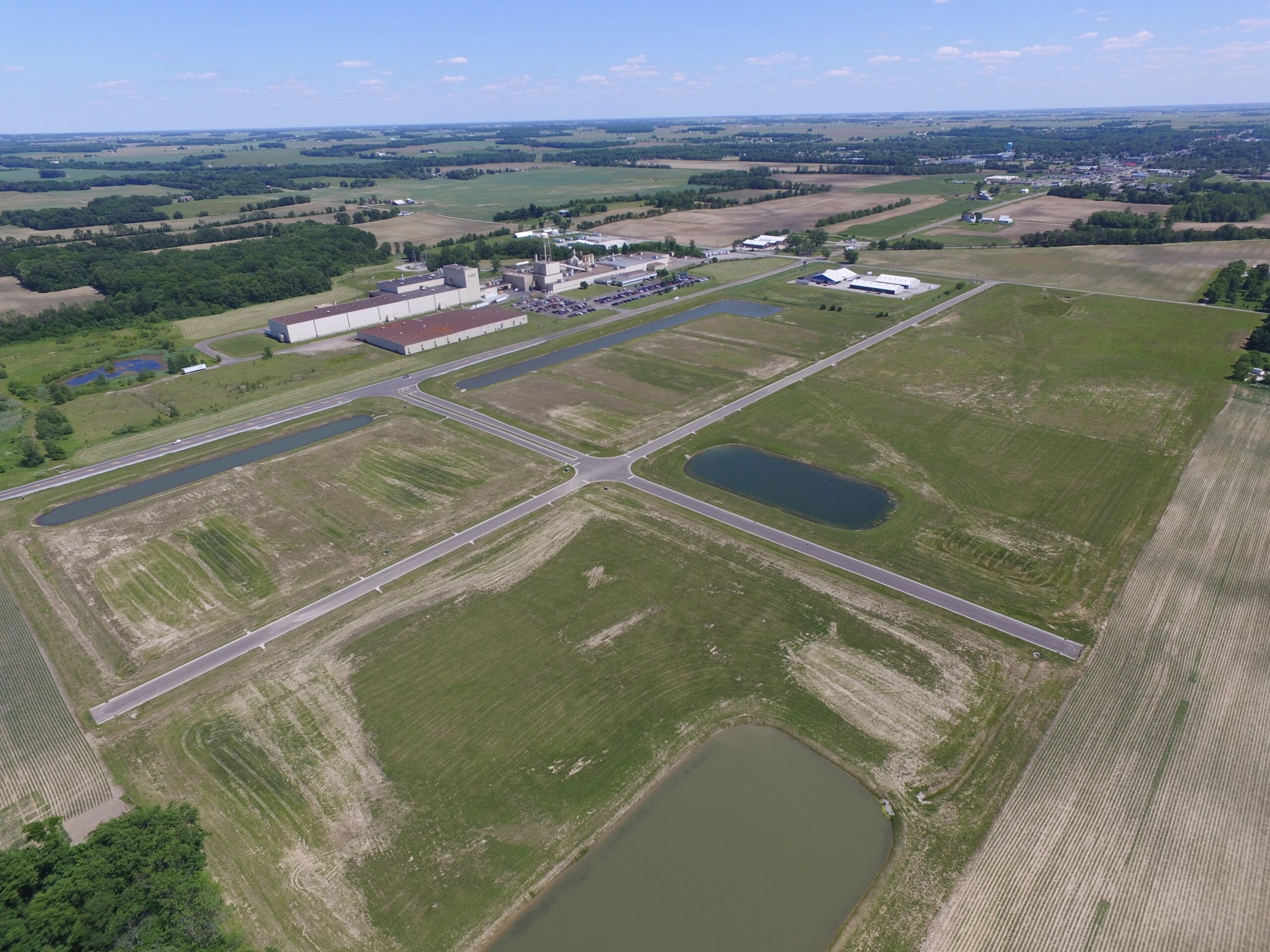
Rush County development-ready sites at Commerce Park at Rushville

Why Development-Ready Sites Matter to Rush County’s Economic Future

Economic development often becomes visible when a company announces an expansion, construction begins or new jobs are created.

But much of the work that makes those opportunities possible happens years before an announcement.

One important part of that preparation is having Rush County development-ready sites that businesses can seriously evaluate when they are considering where to locate or expand.

Companies Need Answers Before They Invest

Businesses considering a new location evaluate much more than the price of a piece of land.

They need to understand whether a site can accommodate their operation, how utilities can serve it, whether the property is appropriately zoned, how transportation connects to the site and what may be required before construction can begin.

And increasingly, companies need those answers quickly.

Indiana’s economic-development strategy emphasizes site readiness because reducing uncertainty can help companies move more efficiently through the location process. The Indiana Economic Development Corporation describes development-ready sites as an important tool for helping businesses move faster toward operational launch.

For communities competing for investment, preparation matters.

Rush County Development-Ready Sites Support Investment

One of Rush County’s major economic-development assets is Commerce Park @ Rushville, located at State Road 3 and County Road 200 North.

The Commerce Park received Indiana Site Certified Prime designation in 2019, the highest level under the state’s Site Certified program at the time. The designation followed years of local, state and federal investment in preparing the property for industrial development.

Today, ECDC’s available-sites information identifies infrastructure serving the Commerce Park that includes water, sewer, natural gas and fiber connectivity.

Those aren’t particularly flashy economic-development accomplishments.

They are, however, exactly the kinds of fundamentals that matter when a company begins evaluating whether a community can accommodate a project.

Site Readiness Reduces Uncertainty

Imagine two communities being considered for the same investment.

One has property available but still needs to determine whether appropriate infrastructure can reach it.

The other can provide information about an established development site, existing infrastructure and previous site-readiness work.

The second community can begin answering questions much earlier in the conversation.

That doesn’t guarantee that it will win the project. Businesses weigh many factors when making location decisions, including workforce, transportation, utilities, costs, incentives and proximity to customers and suppliers.

But having prepared sites means Rush County can enter those conversations with an important piece already in place.

Economic Development Requires Long-Term Thinking

The Commerce Park is also a good example of something that can be easy to overlook about economic development:

Preparation and results don’t always happen in the same year.

Infrastructure investments may be made years before a company needs them.

Workforce initiatives begin before an employer has an opening.

Housing and quality-of-place investments help create conditions that make a community more attractive to people and businesses over time.

And development sites have to be prepared before a site selector calls.

That requires communities to think beyond the next announcement and invest in the capacity needed for future opportunities.

Rush County Development-Ready Sites Are Part of a Bigger Strategy

Rush County development-ready sites are an important part of preparing our community for future business investment, even though much of that preparation happens long before a company announcement or groundbreaking. Commerce Park @ Rushville is an important asset, but it isn’t the only location ECDC can help businesses evaluate.

Companies have different requirements. Some need large acreage. Others need an existing building, commercial property, a smaller industrial site or room for a future expansion.

That’s why Rush County ECDC now offers businesses a customized property search based on project requirements such as acreage, building size, utility needs, transportation access and expansion plans.

The goal isn’t simply to have property available.

The goal is to help businesses determine whether Rush County is the right place for their investment.

That work starts long before a groundbreaking.

It starts with being ready when opportunity calls.

Considering a location or expansion in Rush County?
Visit ECDC’s Available Sites page or contact Rush County Economic & Community Development Corporation to begin a confidential property search.